

Batch cooking changes how kitchens operate. Instead of cooking and serving the same day, you prepare large quantities, portion them into bags, chill quickly, and store until needed. The result: consistent quality, less waste, and staff freed up to focus on service instead of constant prep.
FlavorSaver cook-chill bags for foodservice are built for this workflow. Fill them hot, seal, chill, store, and reheat when you're ready to serve. One bag handles the entire process, from kettle to plate.
Designed For Commercial Cook-Chill Systems
FlavorSaver cook-chill bags work with standard commercial cook-chill system setups, including tumble chillers, ice bath systems, ring stands, and impulse heat sealers. No proprietary equipment required.
What the bags handle:
- Hot-fill
- Rapid chilling in tumble or immersion chillers
- Cold storage down to 0°F for standard bags, or down to -40°F with high heat nylon bags
- Retherm in boiling water or retherm units
The durable nylon construction withstands temperature ranges without punctures or seal failures. Foods stay protected from the moment they leave the kettle until the bag is opened for serving.
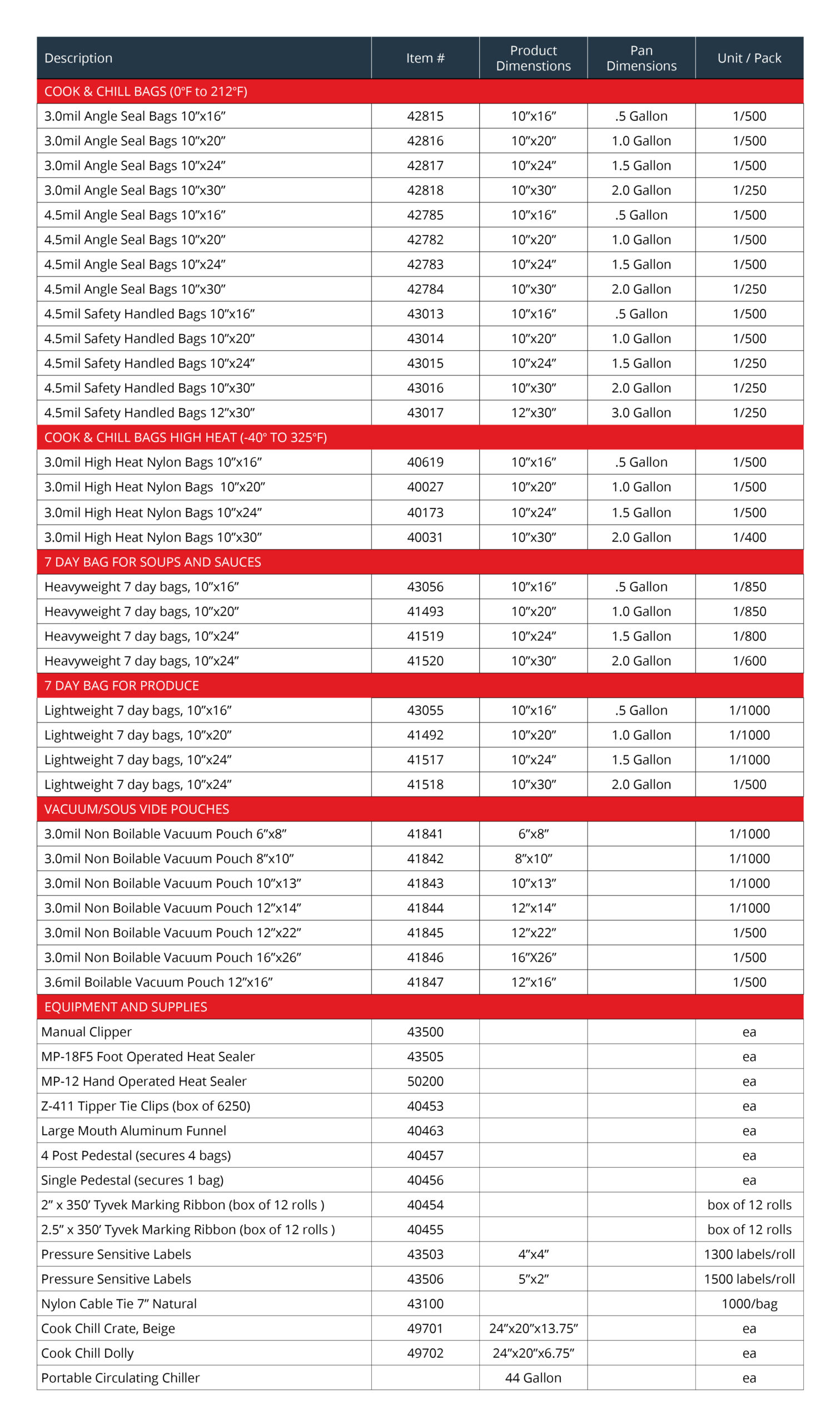
Available configurations include sizes ranging from half-gallon to multi-gallon capacity, as well as thickness options from 3 mil to 4.5 mil to match your operation's demands.
Whether you run a single restaurant or a commissary that supplies a network of satellite kitchens, FlavorSaver offers the bag sizes and styles to fit your production volume.
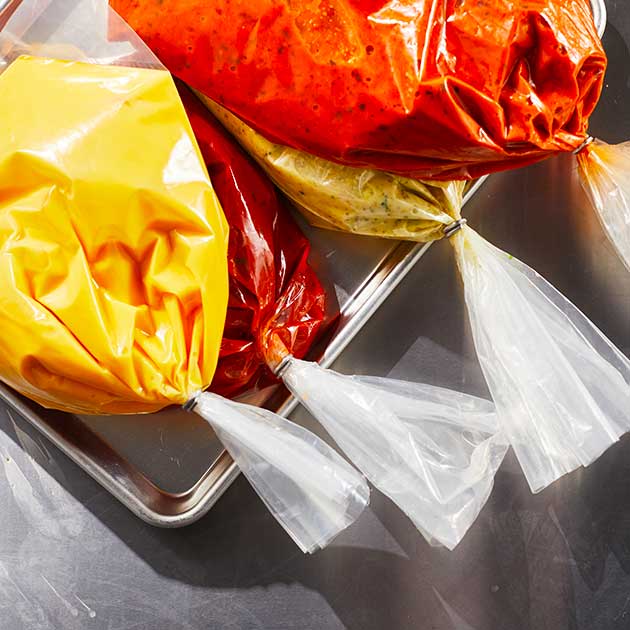
BPA-Free Cook-Chill Bags For Reliable Cold Storage
Food safety starts with the packaging. FlavorSaver BPA-free cook-chill bags meet the standards that foodservice industry operations require.
Safety and compliance features:
- BPA-free materials throughout
- Barrier film prevents oxygen and moisture transfer
- No flavor or odor crossover between stored products
- NSF certified
- Kosher (KOF-K) and Halal certified
- HACCP-compliant workflow support
Once sealed, the food inside is never exposed to air or handling until the bag is opened for serving. This closed system reduces contamination risk and supports food safety documentation for audits and inspections.
The barrier film also protects flavor integrity. Soups stored next to sauces won't pick up each other's taste. What goes into the bag is exactly what comes out.
See How Cook-Chill Works
This overview walks through the cook-chill process step by step: filling, sealing, chilling, storage, and reheating. If you're evaluating whether cook-chill fits your operation, or training staff on proper procedures, this is a practical starting point.
Cook-Chill Bags Built For Demanding Foodservice Environments
Commercial kitchens are hard on equipment and supplies. Bags get dropped, stacked, moved between chillers and storage, and handled by staff working fast during rush periods.
FlavorSaver cook-chill bags are engineered for this reality:
Durability that holds up:
- Durable film resists punctures and tears
- Seals stay intact through vigorous tumble chilling and temperature ranges
- Maximizes walk-in and transport space
Practical for high-volume production:
- Fill hot directly from the kettle
- Seal in seconds with standard impulse sealers
- Lay flat for efficient storage, maximizing walk-in and transport space
- Reheat by dropping sealed bags into boiling water or retherm units
For kitchens producing soups, sauces, stews, mashed potatoes, proteins, and other batch-prep items, these high-temperature food storage bags simplify the entire cook-to-serve timeline.
IDEAL FOR
Why Foodservice Kitchens Choose FlavorSaver Cook-Chill Bags
Made in the USA. FlavorSaver cook-chill bags are manufactured in our plants located in PA and OH. Backed by decades of experience in food-grade flexible packaging.
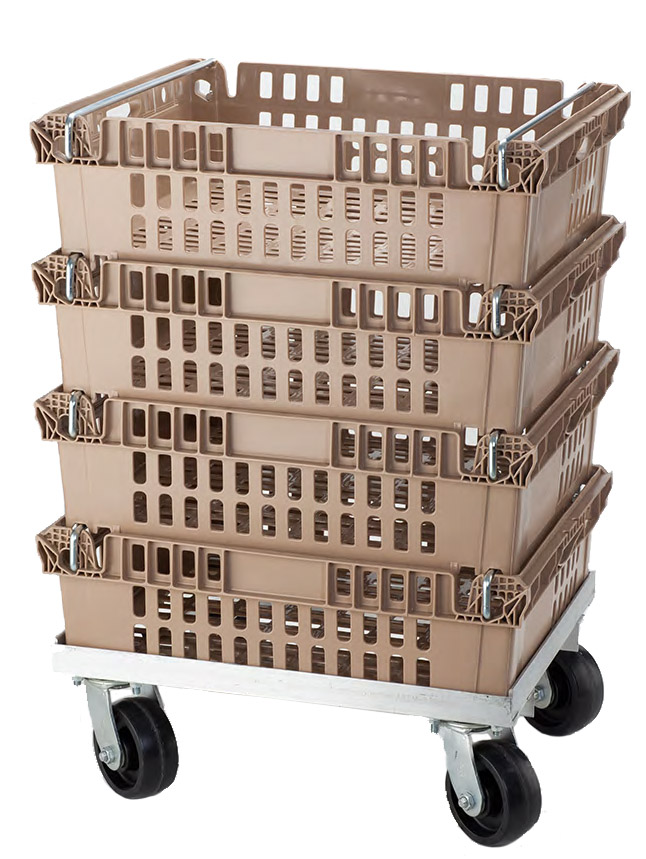
Part of a complete system. FlavorSaver offers the bags, ring stands, sealers, crates, and accessories to build or expand your cook-chill operation. One source, one standard of quality.
Trusted across foodservice. Restaurant chains, school nutrition programs, hospitals, commissaries, and caterers nationwide rely on FlavorSaver for consistent, reliable cook-chill packaging.
Support when you need it. Not sure which bag size or closure style fits your workflow? Our team can help you match products to your specific operation.
PRODUCT LINE
Ready to see specifications or try the product in your kitchen?
Request A Quote
Every kitchen is different. Tell us about your operation, and we'll help you find the right cook-chill bags for your volume, menu, and workflow.
FAQs
Cook-chill bags are ideal for food like: soups, sauces, stews, chili, mashed potatoes, mac and cheese, gravies, and similar items. Most items a service kitchen produces in batches can be adapted to cook-chill.
Yes. FlavorSaver cook-chill bags work with standard industry equipment, including impulse heat sealers, ring stands, ice bath systems, and retherm units. They also work with large scale commissary equipment such as tumble chillers, blast chillers and pumps. No proprietary equipment is required.
FlavorSaver bags are BPA-free, NSF certified, Kosher (KOF-K), Halal, and manufactured in an ISO 9001 and FSSC 22000 certified facility. These certifications support compliance requirements across healthcare, education, and other regulated foodservice industry segments.
Cook-chill scales to any size. A single-unit restaurant can use it for batch prep of soups and sauces, reducing daily labor and ensuring consistency. The FlavorSaver system includes equipment and bag sizes suited for smaller footprints, not just large commissary kitchens. Many independent operators find cook-chill reduces their reliance on skilled prep cooks during every shift.
Cook-chill reduces costs in several ways: centralized prep means fewer labor hours at serving locations, portion-controlled packaging reduces waste, and extended shelf life means less spoilage. Kitchens also see savings from reduced water, energy, and cleaning chemical use since fewer pots and pans are needed at the point of service.